

Pranayama
Restore Your Nervous System, One Breath at a Time
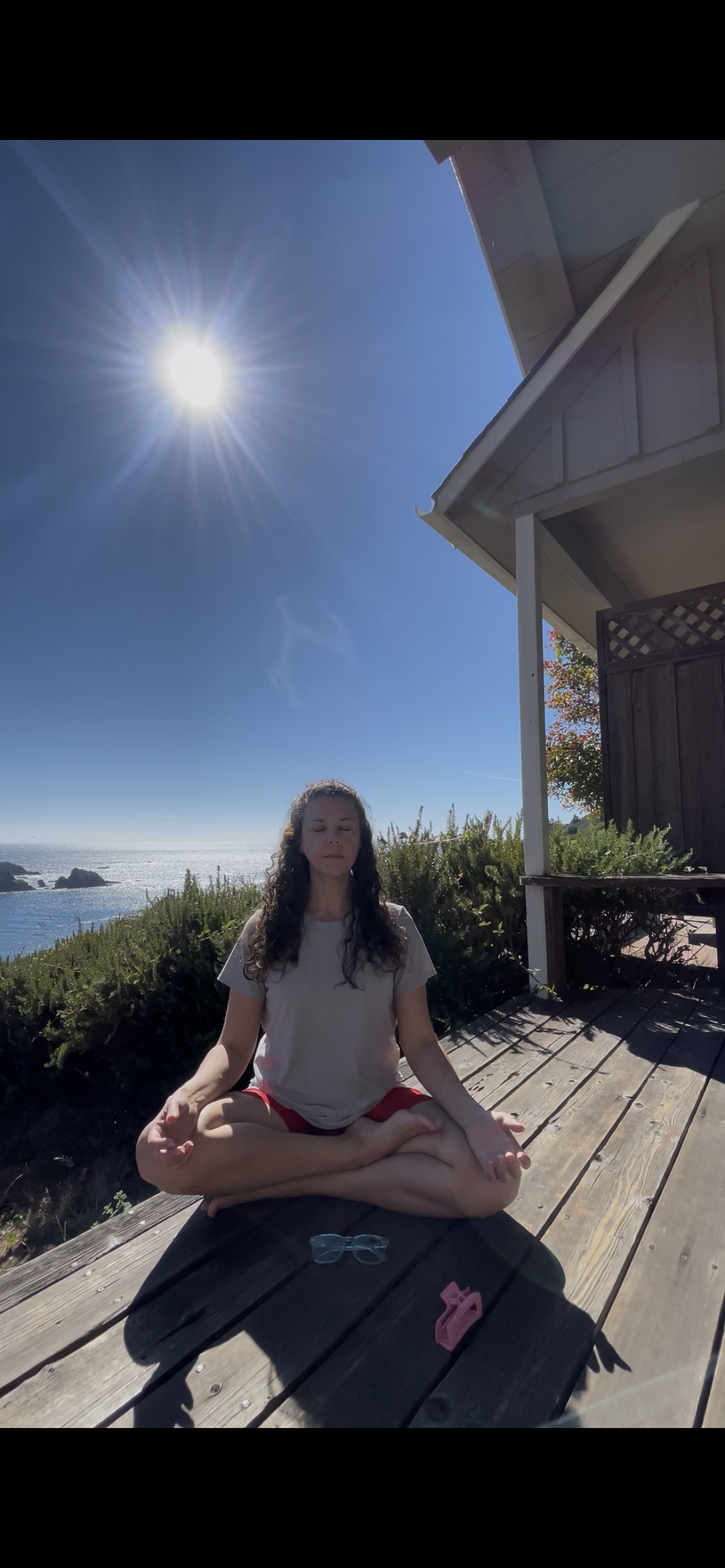
Pranayama is a gentle, powerful breath practice rooted in Vedic yoga teachings. It calms the nervous system and reconnects you to your inner stillness. These slower, mindful breathing techniques guide you into a grounded, centered state supporting your emotional, physical, and spiritual well-being.
Unlike fast, emotionally activating breathwork patterns, Pranayama is restorative and subtle, making it a beautiful option for anyone seeking peace, nervous system regulation, or nourishment.

What is Pranayama?
The word Pranayama means “extension of life force.” Through conscious consumption of our breath, we are able to move prana (life energy) through our body’s energy channels, [Nadis and Chakras] clearing blocks and restoring flow.
Benefits of Pranayama
Regulates stress and anxiety
Supports nervous system healing
Improves focus and clarity
Helps with sleep and trauma recovery
Grounds energy and restores emotional balance
Deepens connection to inner stillness and intuition

Pranayama is ideal for those who:
Feel mentally scattered or emotionally overstimulated
Need gentle, grounding support
Are recovering from stress, burnout, or trauma
Seek to reconnect with their body in a safe, nurturing way
Prefer subtle practices over intense emotional releases